Stop Shouting Into The Void. Scale Guesting.
Video podcast guesting systems enable solopreneurs to acquire high-authority traffic by leveraging established audiences through a structured outreach and preparation framework. By treating podcast appearances as a repeatable operations process, founders can generate consistent lead flow and backlinks without the time-intensive burden of hosting their own show. This methodology ensures that every hour spent on camera yields maximum brand equity and conversions.
The tax season of 2026 is winding down. You should already have implemented your support triage agents and custom GPTs for niche tasks, as we discussed in March. If your systems are running correctly, you now have more time to focus on growth.
The challenge is that most founders waste this newfound time on manual, low-leverage networking. You might find yourself sending sporadic emails to show hosts or waiting for an invitation that never arrives. This lack of structure leads to inconsistent visibility and missed opportunities for authority building.
For today’s Tuesday Tip, we are discussing video podcast guesting systems.
How do you build a high-leverage media list?
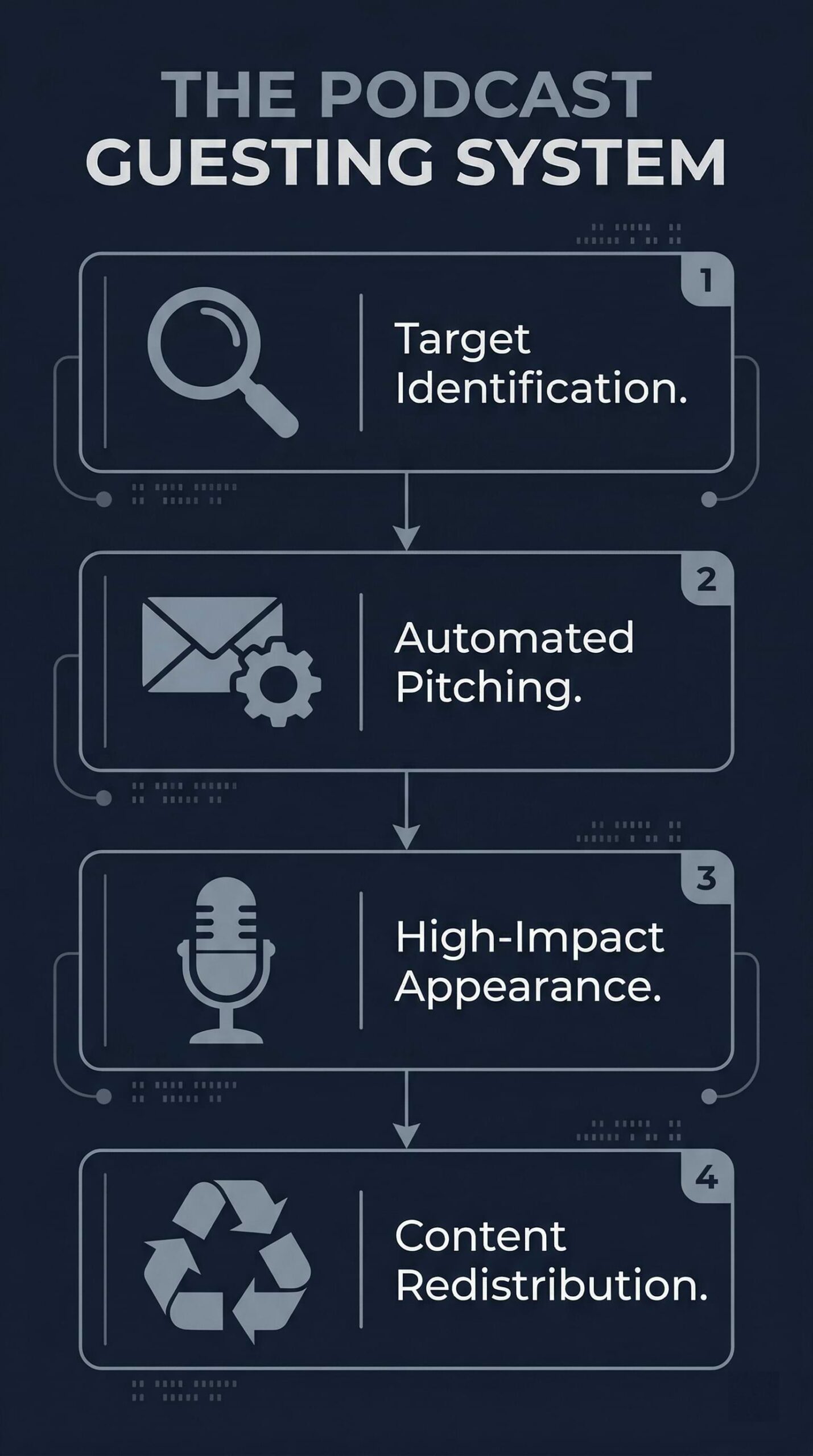
The first step in any guesting system is identifying targets. You should not aim for the largest shows in the world immediately. Instead, focus on shows where the audience alignment is nearly perfect. Use tools like SparkToro or Rephonic to identify what your target customers are watching. Look for video podcasts that have published at least 10 episodes in the last quarter. This consistency indicates that the host is committed and the audience is engaged.
A specific Rephonic research study from late 2025 found that guesting on “mid-tier” podcasts, those with 2,000 to 10,000 downloads per episode, resulted in a 14 percent higher conversion rate for service-based solopreneurs compared to “top-tier” shows. This is because the audience in smaller niches feels a closer connection to the host. You must build a database of at least 50 shows that meet these criteria. Categorize them by audience size, average episode length, and whether they provide video snippets for social media.
This database is the foundation of your system. It should include the contact name of the producer or host, their LinkedIn profile, and a recent episode that resonated with you. Do not skip the research phase. If you do not understand the host’s perspective, your pitch will feel like spam. High-performance operations require you to treat your media list as a living asset that you update monthly to reflect new show launches and shifting audience trends.
How do you create an automated pitching engine?
Once you have your list, you must move into the outreach phase. This is where most solopreneurs fail because they send “one-size-fits-all” messages. You can use an AI-driven outreach system to personalize your pitches at scale. Create a template that includes a variable for a specific takeaway from a recent episode. Your AI agent can listen to the first five minutes of an episode, summarize the core theme, and insert it into your pitch.
Your pitch should follow a specific three-part structure. First, acknowledge a specific point they made in a past video. Second, present three unique “Pro-Focus” topics you can discuss that provide immediate value to their listeners. Third, provide a link to your digital media kit. The goal is to make the decision as easy as possible for the host. You are not asking for a favor: you are offering them high-quality content for their channel.
Automation does not mean a lack of personality. You should use a tool like Instantly or Lemlist to schedule these pitches. Set a follow-up sequence of three emails spaced five days apart. Persistence is a professional trait. According to data from the most recent industry reports, 68 percent of guests are booked only after the second or third follow-up. If you stop after one email, you are leaving 70 percent of your potential reach on the table. This is the difference between a hobbyist and a strategist: the strategist relies on the sequence rather than the initial spark.
How do you ensure high listener trust and retention?
The efficacy of your appearance depends entirely on the level of trust you establish within the first few minutes of the recording. Current data on niche podcast impact suggests that host-endorsed guests see a 68 percent baseline of listener trust before they even speak. You must capitalize on this by being over-prepared. This means having a “Pro-Focus” setup: a 4K camera, a dedicated dynamic microphone, and a background that reinforces your brand identity.
Furthermore, you need to understand the medium’s retention dynamics. According to recent B2B podcasting trends, while video is essential for social media discovery, audio-only segments often maintain a completion rate of 80 percent or higher among executive listeners. This means your verbal calls to action must be as clear as your visual ones. You are building a system that captures both the passive viewer and the dedicated listener.
To maximize this trust, your system must include a pre-interview briefing. This is a one-page document you send to the host forty-eight hours before the recording. It includes your bio, your core talking points, and three “seed questions” that help the host guide the conversation toward your areas of expertise. This ensures the interview stays focused on the systems and workflows that prove your authority to the audience.
How do you repurpose guesting into a long-term asset?
The work does not end when the recording stops. To truly scale with systems, you must have a post-appearance workflow. This starts with the “Call to Action” during the recording. Never tell people to “check out my website.” Instead, give them a specific “System Blueprint” or “Checklist” that relates to the topic discussed. This lead magnet should be hosted on a dedicated landing page for that specific podcast.
After the episode goes live, your internal system should trigger a content redistribution phase. Use a tool like Munch or Descript to pull five high-impact video clips from the interview. These clips should be formatted for X, LinkedIn, and YouTube Shorts. By repurposing a sixty-minute interview into ten pieces of micro-content, you extend the life of that appearance by months. You are essentially turning one hour of your time into weeks of automated social media presence.
Finally, track the results. Use UTM parameters for every show you appear on. This allows you to see exactly which audiences are clicking through and converting. Over time, you will notice patterns. You might find that video podcasts on YouTube drive more newsletter signups while audio-only shows drive more high-ticket consulting leads. Adjust your media list every quarter based on this data. This is how you outpace the competition: by knowing exactly where your time yields the highest return.
The Bottom Line
Video podcast guesting systems transform sporadic networking into a predictable engine for authority and lead generation. By automating your outreach and repurposing your appearances, you maximize your visibility while minimizing your manual effort.
Video podcast guesting systems are the most undervalued leverage for solopreneurs in 2026. Stop sending manual pitches and start building an automated media engine to secure high-authority backlinks and leads. Share on XSee my archive of Tips Tuesday articles.

Turn your art into profit. Become a seller on TeePublic!