The Father of the Blues
“Whenever I heard the song of a bird and the answering call of its mate, I could visualize the notes in scale . . . all built up within my consciousness as a natural symphony.”
– W.C. Handy
W.C. Handy, known as the “Father of the Blues,” was a groundbreaking African American composer, musician, and bandleader who transformed American music in the early 20th century. Born in 1873 in Florence, Alabama, Handy merged African American folk music traditions with written musical structure, helping bring blues music into the mainstream.
His contributions, such as “St. Louis Blues,” “Memphis Blues,” and “Beale Street Blues,” were pivotal in shaping modern American music and inspiring generations of musicians. At a time when Black musical expression was marginalized, Handy’s work preserved the soul of Southern Black culture while breaking through cultural barriers.
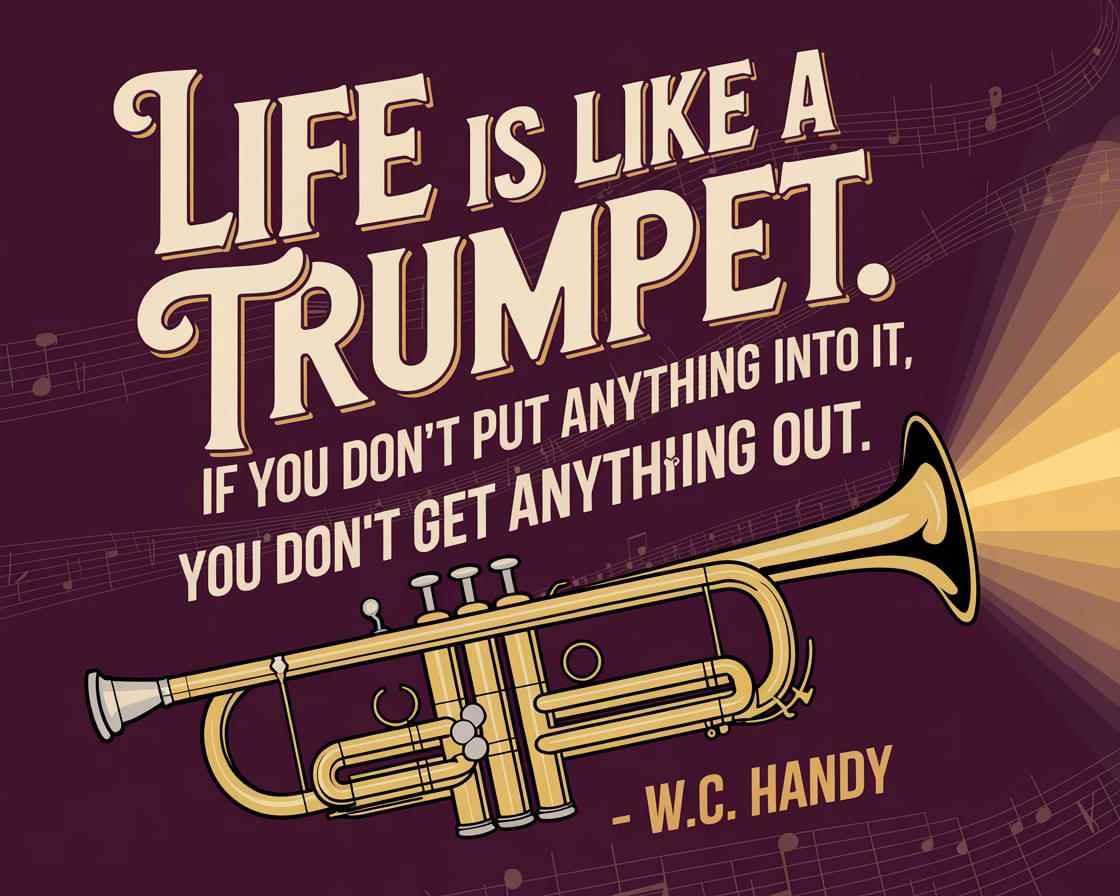
Four Key Lessons from W.C. Handy’s Life
1. Honor Your Roots: They Hold Power
W.C. Handy never forgot the spirituals, work songs, and folk melodies he heard in his youth. While he trained in classical music and could have pursued a more “accepted” path, he recognized the raw emotional power and cultural significance of the music born in Black communities. When Handy heard a man playing a slide guitar at a train station, improvising a soulful tune, it sparked the idea that would define his career. He validated and elevated these sounds, preserving their authenticity while arranging them for wider audiences.
2. Persistence Turns Rejection Into Revolution
Early in his career, Handy faced rejection from publishers and disdain from musical elites who dismissed blues as primitive or unworthy. But he persisted. Instead of chasing approval, he self-published “Memphis Blues” in 1912. Though initially met with skepticism, the song became a hit, proving that sticking to your vision—despite resistance—can lead to innovation and success.
3. Bridge the Gap Between Tradition and Innovation
Handy was a master at blending traditional African American folk music with formal musical notation, making it accessible to more people without diluting its emotional power. His arrangements introduced blues to the broader American public while staying true to its essence. This balance between honoring tradition and embracing change helped transform blues into a respected genre that would later influence jazz, rock, and pop music.
4. Use Your Platform to Uplift Your Culture
Handy didn’t just write music—he became a cultural ambassador. By documenting and promoting blues music, he preserved a vital part of African American heritage. He knew that sharing his culture wasn’t just about entertainment; it was about identity, dignity, and legacy. His work helped shift perceptions of Black artistry and opened the door for countless others to be seen and heard.
Four Actionable Steps Inspired by His Legacy
1. Document Your Culture and Story
Follow Handy’s example by preserving the stories, songs, and traditions that shaped you. Whether through writing, music, or other creative forms, documenting your heritage helps pass it on and ensures your voice contributes to a larger historical narrative.
2. Turn Setbacks Into Strategy
Instead of being deterred by rejection, analyze what didn’t work and reframe it as a chance to refine your message or approach. Handy’s success came not from pleasing everyone but from standing firm in his unique sound.
3. Learn the Rules—Then Break Them Creatively
Like Handy, who combined classical knowledge with folk expression, seek to understand the foundations of your craft deeply. Then, innovate from that foundation. True originality often comes from knowing what you’re bending.
4. Use Art to Build Bridges
Embrace the power of creativity to connect people across different backgrounds. Handy’s music transcended racial and cultural lines. Whether you’re an artist, leader, or entrepreneur, think about how your work can promote empathy, understanding, and unity.
“I’ve always felt that the blues deal with an epoch in our history, and coming from the same people that gave us the spiritual, they reflected a nominal freedom. All the blues that I’ve written are either historic or folklore or folksong.”
– W.C. Handy
Final Thoughts
W.C. Handy’s legacy is one of cultural pride, resilience, and creative courage. He turned overlooked sounds into national treasures and gave voice to a people whose stories were often unheard. Handy taught us that embracing one’s roots, even when they’re not widely accepted, can lead to profound impact.
His journey reminds us that what’s dismissed today may define tomorrow. Let his legacy inspire you to stay true to your voice, invest in your passion, and share your truth with the world.
W.C. Handy turned the sounds of the South into a national movement. Learn 4 key lessons from the Father of the Blues that still inspire today. #MindsetMentor Share on X

Note: Some links on this page are affiliate links, meaning that if you click on my link and make a purchase, I will receive a small commission. It does not however affect the price you pay. Plus, it’s a great way to support me and the content I’m providing.